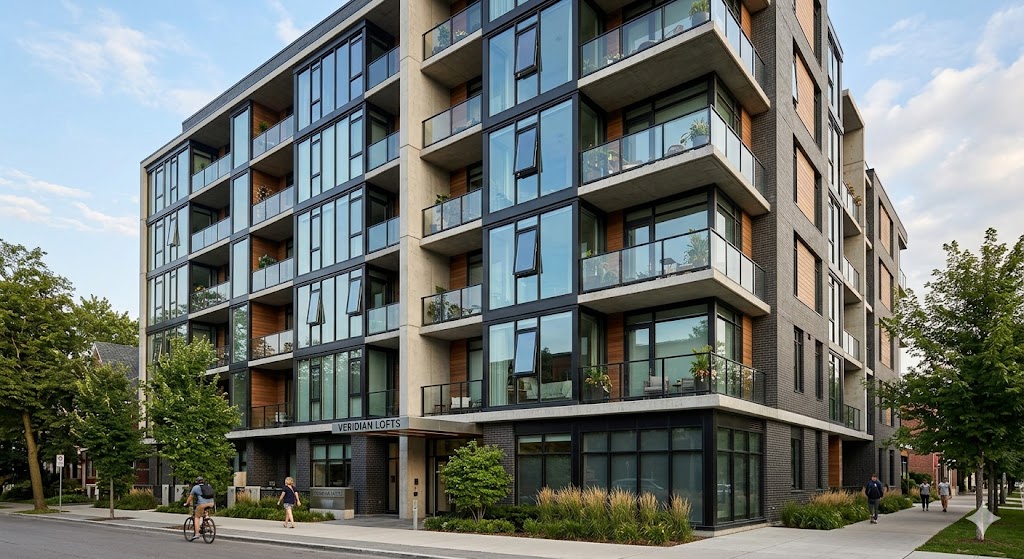
If you're trying to hit pro forma targets while delivering a clean, modern aesthetic, you've probably noticed the same thing: premium windows and doors are eating a disproportionate share of the envelope budget. That's why more U.S. developers are importing European aluminum windows - to reduce costs, elevate design quality, and still pass inspections without friction.
The Short Version
Cost: European aluminum windows typically price 20-50% lower than comparable U.S. premium brands, even after current tariffs, once product, freight, and duties are included.
Design: Slimmer sightlines, larger panel sizes, and high-performance tilt-turn and lift-slide systems deliver a contemporary look with better operability and strong acoustic and thermal performance.
Compliance: With the right partner, NAFS and NFRC documentation can be prepared in submittal-ready form - so if inspectors, lenders, or energy consultants ask for it, you're covered.
What We Mean by "European Aluminum Windows"
Not all European systems are the same. In this context, we're talking about:
- Slim-frame aluminum profiles with narrow sightlines
- Steel-look aesthetics without bulky muntins
- Tilt-turn windows and lift-slide doors for oversized openings
- Factory-glazed units with warm-edge spacers and modern low-E glass
- Powder-coated or anodized finishes suitable for coastal and urban conditions
These systems are engineered for large spans, high air and water resistance, and refined detailing - well suited for multifamily, hospitality, mixed-use, and high-end residential projects.
Where the Savings Come From
Teams often assume freight and tariffs will kill the advantage. In practice, the total landed cost still undercuts domestic pricing by a meaningful margin.
Why the savings persist - even with tariffs:
- Lower base manufacturing costs for precision aluminum systems
- Factory glazing reduces on-site labor and weather exposure
- Optimized logistics through container planning and consolidated shipments
- Design-level value engineering that preserves aesthetics while reducing cost
| Cost Component | U.S. Premium Brand | European Import (DDP) |
|---|---|---|
| Window/door units | $$$$ | $$ |
| Freight + duties + customs | Included | Accounted for in DDP price |
| On-site labor (factory glazed) | Higher | Lower |
| Total landed | Baseline | 20-50% below baseline |
For the full tariff breakdown, see the 2026 tariff cost comparison.
Design Advantages
- Slim sightlines - the narrow profiles you see in European architecture are the standard, not the exception
- Oversized openings - lift-slide doors and large fixed panels enable wider spans with smooth operation
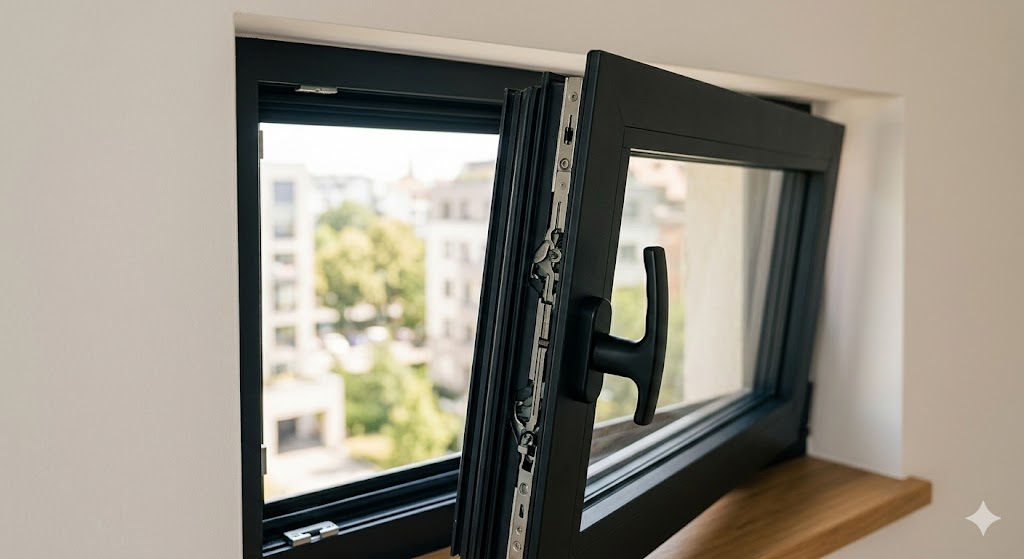
- Tilt-turn operability - one sash provides inward tilt for ventilation and full swing for egress. Fewer maintenance calls than crank-operated systems. See the European hardware guide.
- Thermal and acoustic performance - multi-chamber thermal breaks, warm-edge spacers, and triple-gasket seals. For guidance on triple glazing, see the triple vs. double analysis.
- Durable finishes - architectural-grade powder coatings and marine-grade options that resist UV and salt air
Compliance: How Imported Windows Meet U.S. Codes
Code compliance is the main reason teams hesitate. With proper coordination, these risks are manageable.
Three areas that may come up depending on your jurisdiction and project type:
- NAFS ratings - performance grade plus air, water, and structural results. Can support your submittal if the AHJ or plan reviewer asks for it.
- NFRC values - U-factor, SHGC, visible transmittance aligned with your climate zone. Helpful for energy code compliance if needed.
- Safety compliance - tempered or laminated glazing per ANSI Z97.1, plus egress where applicable.
I can provide NAFS and NFRC documentation configured for U.S. requirements, along with the supporting data your GC, architect, and energy consultant may need for review.
The Timeline
| Phase | Timeline |
|---|---|
| Takeoff and pricing | 24-48 hours |
| Design assist and value engineering | 3-5 business days |
| Shop drawings and submittals | Available |
| Production | 8-12 weeks |
| Logistics and DDP delivery | Container booking, customs, delivery to site |
| Install support and closeout | Sequenced delivery, warranties, spare parts |
FAQ
What about lead times? Production runs 8-12 weeks after shop drawing approval. Ocean freight adds 3-5 weeks. Schedules include realistic buffers.
Will inspectors accept foreign test reports? In most cases, yes - when NAFS test reports match the approved configuration and are presented properly. NFRC documentation can also be coordinated if needed for energy compliance.
Is there a minimum order size? Any scope can be priced, but packages above $150,000 typically yield the strongest return due to freight efficiency. For installation details, see the bracket mounting guide.
Bottom Line
If your project demands a modern aesthetic, strong performance, and a budget that works, importing European aluminum windows can deliver substantial savings without compromising compliance. The key is working with a partner who's transparent on costs, manages the import process, and delivers submittal-ready documentation.
Request a Quote | Schedule a Call
Kai, your window guy!