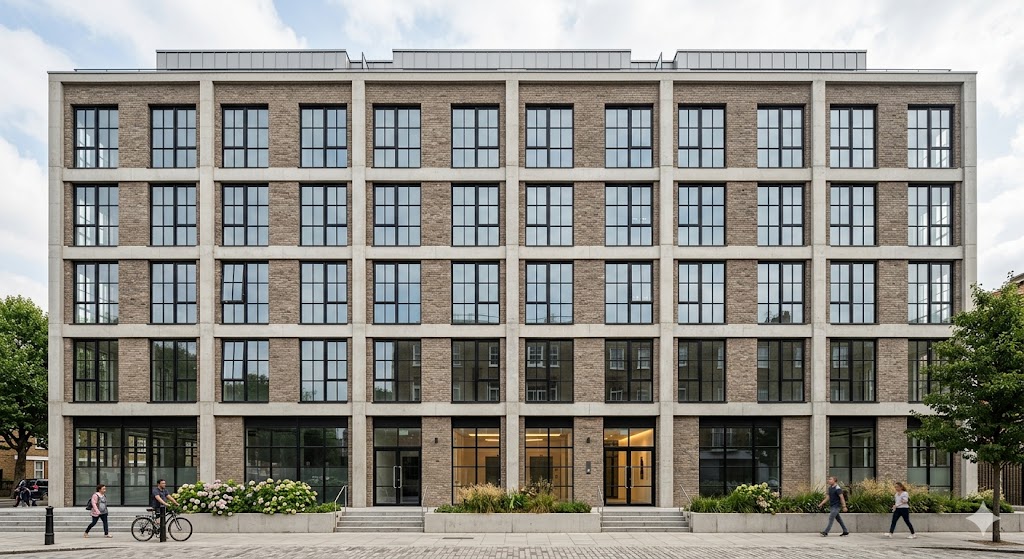
Your client wants that iconic gridded black-metal look. But the budget, energy model, or maintenance plan says not so fast. Sound familiar?
Steel-look windows in thermally broken aluminum deliver the same visual language - razor-thin sightlines, putty-style profiles, crisp grids - at a fraction of the cost, with real thermal performance and straightforward code compliance. Here's how it works and when it makes sense.
What Are Steel-Look Windows?
Thermally broken aluminum frames engineered to replicate classic hot-rolled steel: slim stiles and rails, square shoulders, putty-line glass stops, and narrow muntin patterns. Instead of solid steel, you get aluminum with a thermal break, factory finishing (matte black is the go-to), and simulated divided lites (SDLs) that convincingly mimic true divided steel glazing.
Why architects specify them:
- Aesthetic fidelity to traditional steel with modern thermal performance
- Broader size and configuration range (including tilt-turn) while keeping narrow profiles
- Significant cost and lead-time savings versus true steel
Steel vs. Steel-Look Aluminum: Side-by-Side
| Factor | True Steel | Steel-Look Aluminum |
|---|---|---|
| Sightlines | Ultra-slim (possible sub-1" profiles) | Slim (typically 1"-1.5" visible) |
| Thermal performance | Poor without modification | Strong - thermally broken with warm-edge IGUs |
| Cost | $$$-$$$$ | $$-$$$ |
| Lead time | Often 16-24+ weeks | Typically 10-14 weeks |
| Maintenance | Periodic finishing required | Powder coat - low maintenance |
| Fire rating | Yes (with listed assemblies) | No - specify a separate rated system |
| NAFS/NFRC compliance | Complex; often project-specific | Compliance path available |
For most exterior envelopes and interior partitions that don't need a fire rating, steel-look aluminum replicates the design intent with better energy performance and lower total cost. See also our aluminum vs. PVC guide for a broader material comparison.
Where the Cost Savings Come From
A comparable true steel package for a high-end residence often lands around $250K-$300K installed. Steel-look aluminum typically delivers 30-40% savings at similar scope.
Where steel adds cost: Hot-rolled profiles, welding and finishing, higher hardware loads, more on-site glazing work.
Where aluminum saves: Extruded profiles, factory glazing, lighter handling, faster install with fewer trades. Nailing flange simplifies anchorage and integrates cleanly with WRB and flashings.
For a detailed breakdown of how tariffs affect landed cost, see our 2026 tariff cost comparison.
Design Details That Sell the Illusion
Sightlines and profiles. Square, putty-line glass stops mimic steel glazing beads. Consistent narrow sightlines across fixed and operable units prevent frame bloat.
Grids that look real. SDL bars with an internal spacer (back-to-back bars around a black spacer) preserve the true divided look without thermal penalties. Keep bar widths consistent across the elevation and align grids across adjacent modules.
Hardware. Minimal square-backplate handles and low-profile hinges in matte black or brushed stainless reinforce the industrial character.
Finishes. Low-gloss black (RAL 9005 matte) is the standard. Deep grays and warm neutrals work when black is too stark. Match bar and spacer colors to avoid visual breaks.
Where Steel-Look Makes the Most Sense
- Multifamily and hospitality exteriors that need character without inflating envelope budgets
- Amenity spaces and lobbies requiring large gridded panes and lift-slide doors
- Townhomes and custom residential seeking historic references with modern performance
- Interior partitions (non-rated) like glass-box offices and gallery walls
When True Steel Is Still the Right Call
- Fire-rated assemblies are required
- Heritage mandates require specific steel sections or ultra-micro sightlines
- Extreme spans or bespoke shapes exceed aluminum system limits
If you're unsure, I can price both options in 24-48 hours so you have a clear comparison.
Performance Without Compromise
These aren't just cosmetic solutions. Well-designed steel-look windows deliver:
- Thermal: Thermally broken frames with warm-edge spacers and low-E IGUs
- Air and water: Compression gaskets and precision machining
- Acoustics: Multi-pane IGUs with laminated lites for STC and OITC targets
- Durability: Powder coat or anodize resists UV and corrosion, with marine-grade options for coastal projects
- Compliance: NAFS ratings and NFRC documentation can be provided if your project needs them. Consider triple vs. double glazing based on climate zone.
FAQ
Will it look fake compared to real steel? Not if sightlines, stop geometry, and grid details are controlled. With SDL plus internal spacer and low-gloss finishing, most viewers - including trained eyes - read it as steel.
Do these meet U.S. codes? Yes, when specified correctly. NAFS ratings and NFRC documentation can be coordinated if your AHJ or energy consultant asks for them. For fire-rated assemblies, specify a listed system separately.
Do you offer tilt-turn in a steel-look profile? Yes. Tilt-turn, casement, fixed, and lift-slide doors can all be specified within the same visual language.
Next Steps
Send elevations, the window schedule, and any baseline quote. I'll return a steel vs. steel-look comparison, sightline recommendations, a performance summary for submittals, and a clear landed cost.
Request a Quote | Schedule a Call
Kai, your window guy!