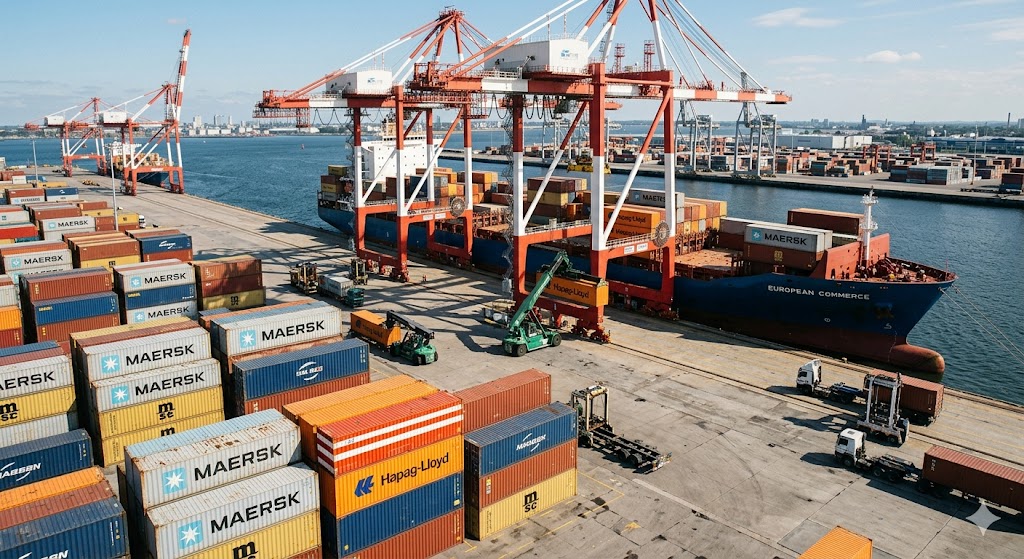
If you're considering imported windows for a U.S. project, the real question isn't "which is cheaper on the quote." It's: what's the total cost when things go sideways? Because one bad import decision can trigger failed inspections, install delays, water issues, and a warranty mess you can't resolve from across an ocean.
This article compares European and Chinese windows the way project teams actually experience them - total risk, total support, total cost.
It's Not About the Country - It's About the System
"Europe" and "China" aren't quality levels. They're manufacturing ecosystems. You can get excellent or mediocre products from either region.
The real difference is the system behind the product:
- How consistent is production across batches?
- Can the supplier provide U.S.-ready documentation when you need it?
- What happens when something arrives wrong or damaged?
- Is there a real warranty process - or just a PDF promise?
If your core concern is "how do we avoid a screw-up," focus on predictability and accountability. For a structured approach, see my supplier evaluation guide.
Where "Cheap" Gets Expensive
The quoted price is maybe 30% of what you'll actually pay. Here's where the rest hides:
- Documentation gaps - incomplete submittals, missing product data, confusing labeling. Result: schedule slip, rework, change orders.
- Quality variability - the sample looked great, but production runs don't match. Uneven gaskets, hardware misalignment, inconsistent finishes, poor drainage detailing.
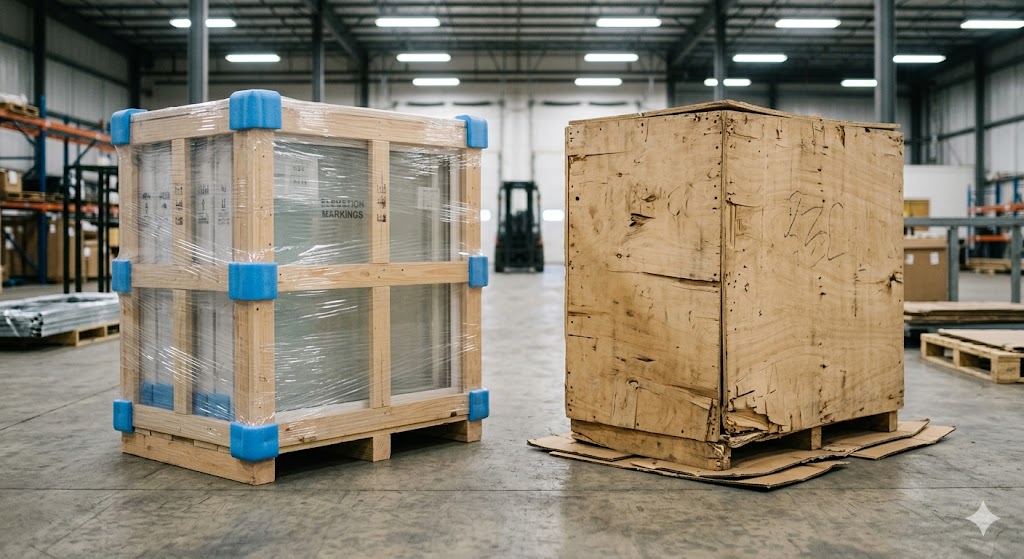
- Shipping damage with unclear responsibility - weak packaging + no clear liability = a dispute instead of a solution.
- Warranty that doesn't work across borders - no U.S. process, no local parts, no one covers labor. You eat the cost.
- No installation support - modern imported systems need proper shimming, anchoring, sealant compatibility, and drainage integration. Without supplier support, "should work" designs fail on real jobsites. For how proper installation support should look, see my dedicated guide.
The Decision Matrix
| Factor | European sourcing | Chinese sourcing |
|---|---|---|
| Engineering documentation | Typically strong; submittal-ready | Variable; often requires extra coordination |
| Production consistency | Generally high across batches | Varies significantly by supplier |
| Hardware reliability | Mature hardware ecosystems | Ranges widely |
| U.S. code documentation (NAFS/NFRC) | Available from established suppliers | Often limited or requires custom effort |
| Field support | Better on modern minimalist systems | Usually limited |
| Lead times | 8-14 weeks typical | Often similar, but replacement cycles longer |
| Price (landed) | Higher base, but offset by risk reduction | Lower base, but risk costs often add back |
This doesn't mean "Europe always wins." It means Europe often reduces uncertainty - and uncertainty is what causes project cost blowups.
When Europe Is the Safer Bet
European sourcing tends to make more sense when you have:
- Large, heavy operables and minimal sightlines
- Tight schedules where replacement lead times are unacceptable
- Luxury owners with low tolerance for issues
- Projects where one failure becomes a portfolio-level problem
That's why many high-end teams treat European systems as a risk management choice, not just a style choice. For comparing specific systems, see my Schuco vs Reynaers vs Aluprof comparison.
When China Can Make Sense
China can be a rational choice when:
- You have strong internal technical review and procurement discipline
- The supplier is vetted and proven on U.S. expectations
- The design is less complex or you have time to iterate
- You're willing to manage more variables yourself
If you go this route, treat it as a process, not a transaction - pay for third-party QC, require pre-shipment inspections, lock hardware specs contractually, and create a spare parts plan before production starts.
FAQ
What's the biggest risk when importing windows? Not price. Schedule and warranty risk. One misfabricated or damaged batch can cost more than the initial savings through delays and rework.
Is Europe always better than China? No. But Europe often offers more predictable systems and support - especially on large, high-expectation modern projects where callbacks are expensive.
How do I vet an overseas window supplier fast? Focus on: factory control (not trading company), QC proof, hardware stability, documentation readiness, packaging standards, and a realistic warranty process with responsibilities defined.
Send me your window schedule and project type - I'll return a landed-cost comparison with documentation included, so you know exactly what you're getting before you commit. Get a Quote | Get in touch
Kai, your window guy!